
.png)
In times of climate change, soil degradation, and water pollution, there is increasing talk about the need for a gentle approach to nature – also in agriculture and gardening. If you ask whether plants can be fertilized ecologically and effectively at the same time, the answer is: yes.
What is Rokosan made of?
Unlike chemical fertilizers made from oil or natural gas, Rokosan is made from natural animal waste – specifically from feathers, wool, horns, and hooves. It is a source of natural keratin, which is rich in nitrogen, amino acids, and other trace elements beneficial for soil and plants.
This material would otherwise end up as unused waste. However, it is recycled and transformed into valuable fertilizer – this is real circular economy in practice.
⚖️ Comparison with chemical fertilizers
|
Property |
Chemical fertilizers |
Rokosan fertilizers |
|---|---|---|
|
Composition |
Synthetic compounds |
Amino acids + nutrients |
|
Impact on soil |
Acidity, soil salinity |
Improves soil structure Reduces soil acidity |
|
Impact on water |
Nitrate leaching |
Minimal leaching |
|
Residues in food |
Possible residues |
No residues |
|
Sustainability |
Fossil resources |
Recycled bio-waste |
|
Safety for children and animals |
Can be a risk |
100% safe |
How Rokosan helps soil and plants
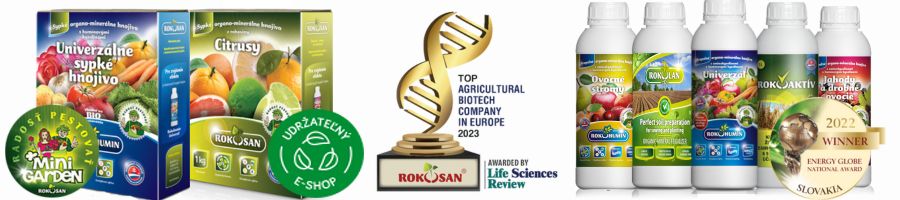
- Improves microbial life in the soil – amino acids nourish soil bacteria and fungi that convert organic matter into nutrients for plants.
- Supports healthy root growth – plants better absorb water and nutrients.
- Contains no herbicides or pesticides.
Rokosan does not increase soil acidity, does not suppress beneficial microorganisms, and does not create soil dependence on external inputs like some synthetic products.
And what about effectiveness?
Ecological does not mean "weak".
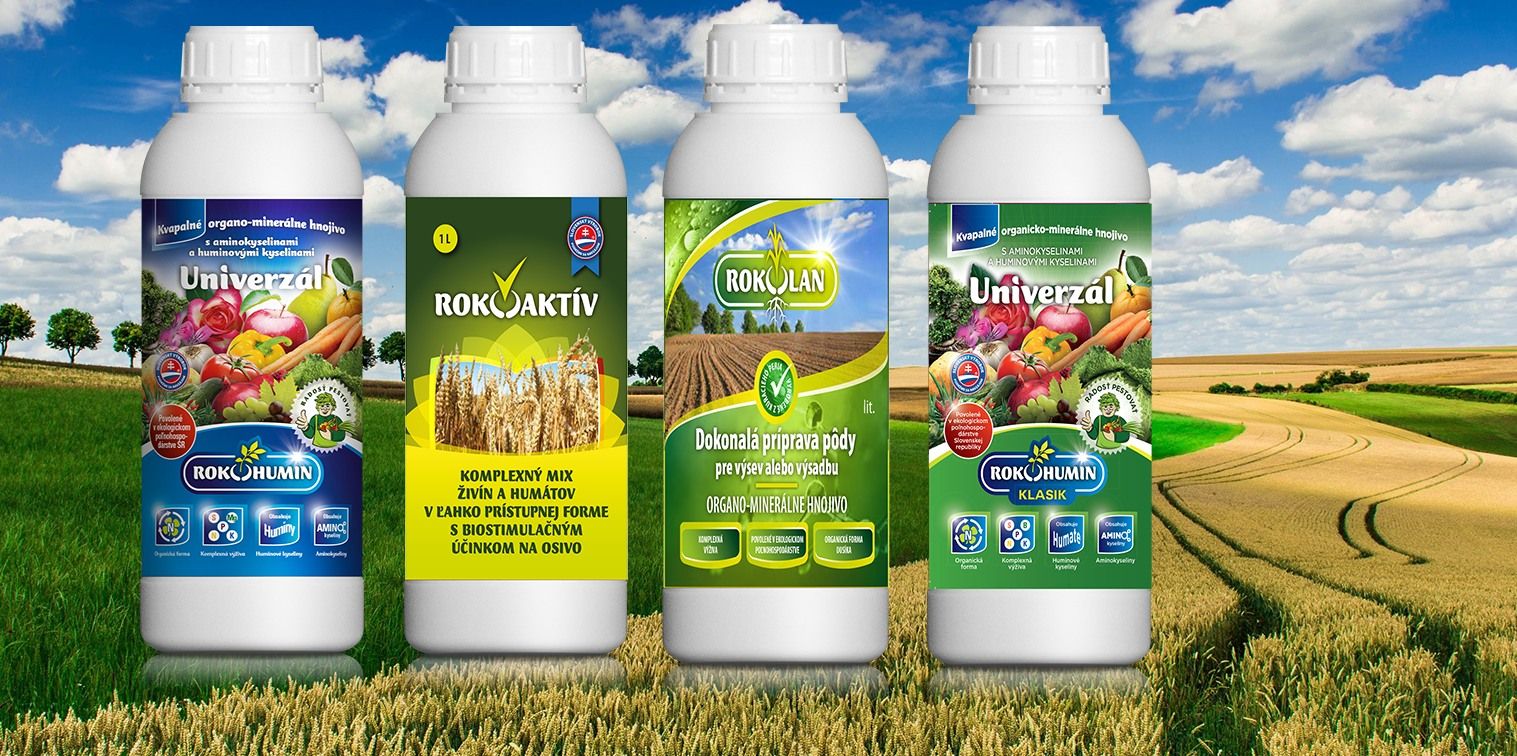
Rokosan products – for example Rokolan, Rokohumín and Rokoaktiv – have been tested on dozens of farms and gardens, and have demonstrated the same or even higher yields than common fertilizers, with reduced nitrogen input.
Ecological footprint: what matters
Chemical fertilizers have a high carbon footprint – the production of nitrogen fertilizers from fossil fuels is energy-intensive and produces greenhouse gases (e.g., N₂O).
Rokosan is produced locally in Slovakia, from Slovak waste, without importing raw materials from third countries. The carbon footprint is 0.00066 kg CO2 / 1000 kg. For comparison, the carbon footprint for urea production is about 733 kg CO2 / 1000 kg for nitrate fertilizers, which can reach up to 1500 kg CO2 / 1000 kg. Each package replaces fertilizer that would otherwise be produced non-ecologically – thus saving water, soil, and air.
✅ Summary: Why choose Rokosan
- It is gentle to nature, people, and soil
- Uses waste as a resource
- Supports sustainable agriculture
- Low carbon footprint
- It is safe for children, animals, and bees
- And most importantly – it works!
Do you want a garden that grows with nature, not against it?
Choose Rokosan – the ecological power of nature in one dose.